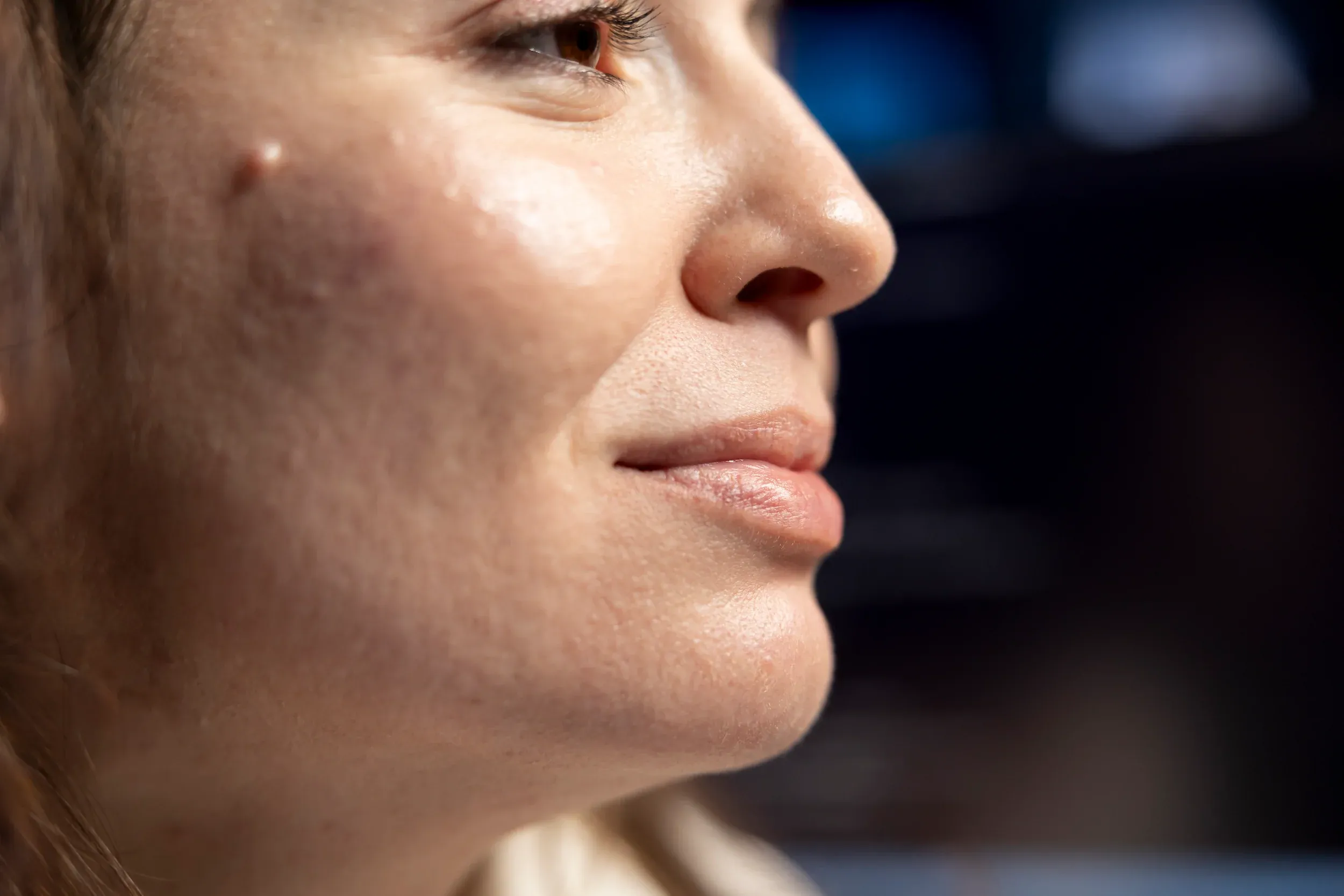
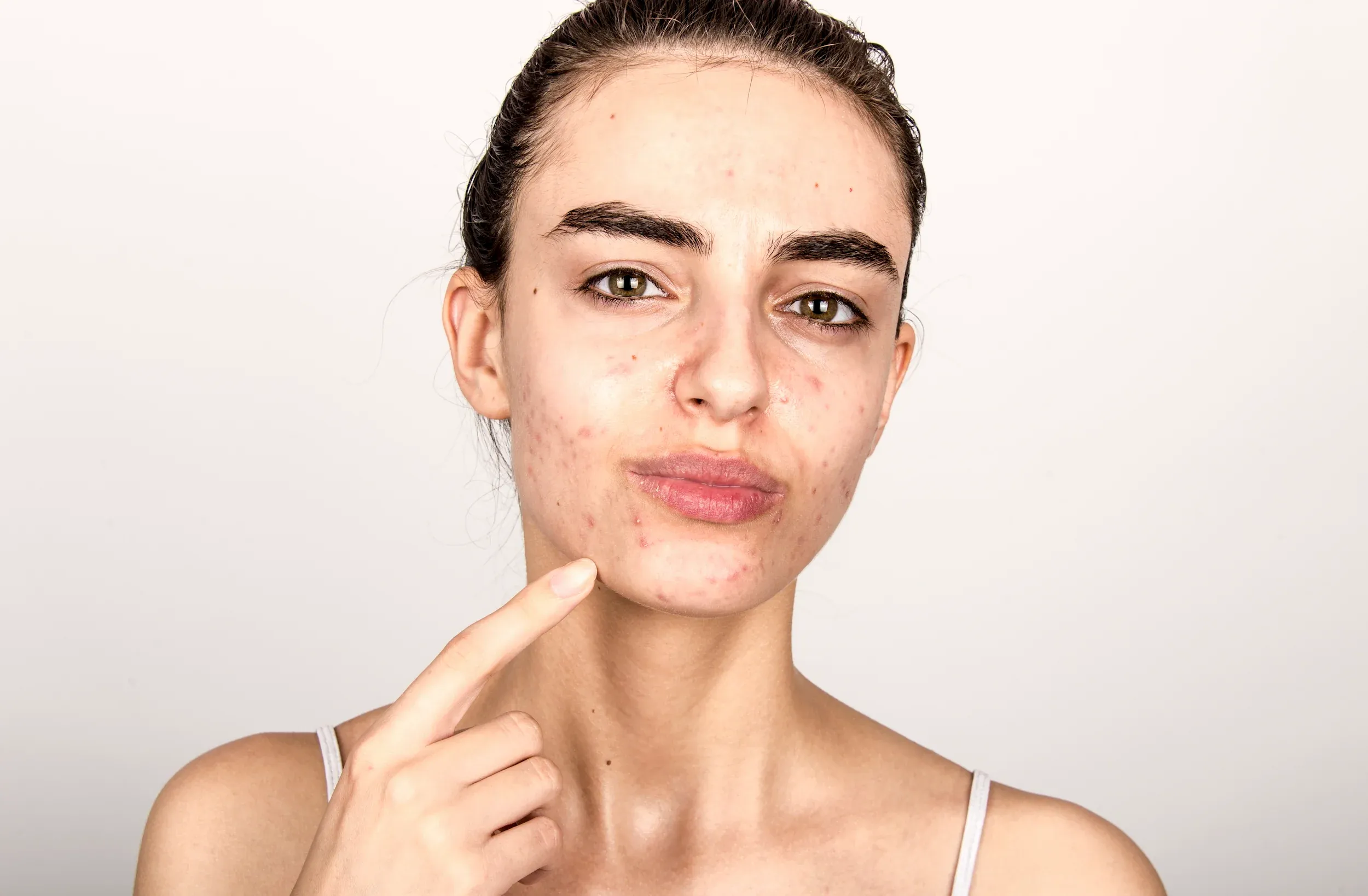

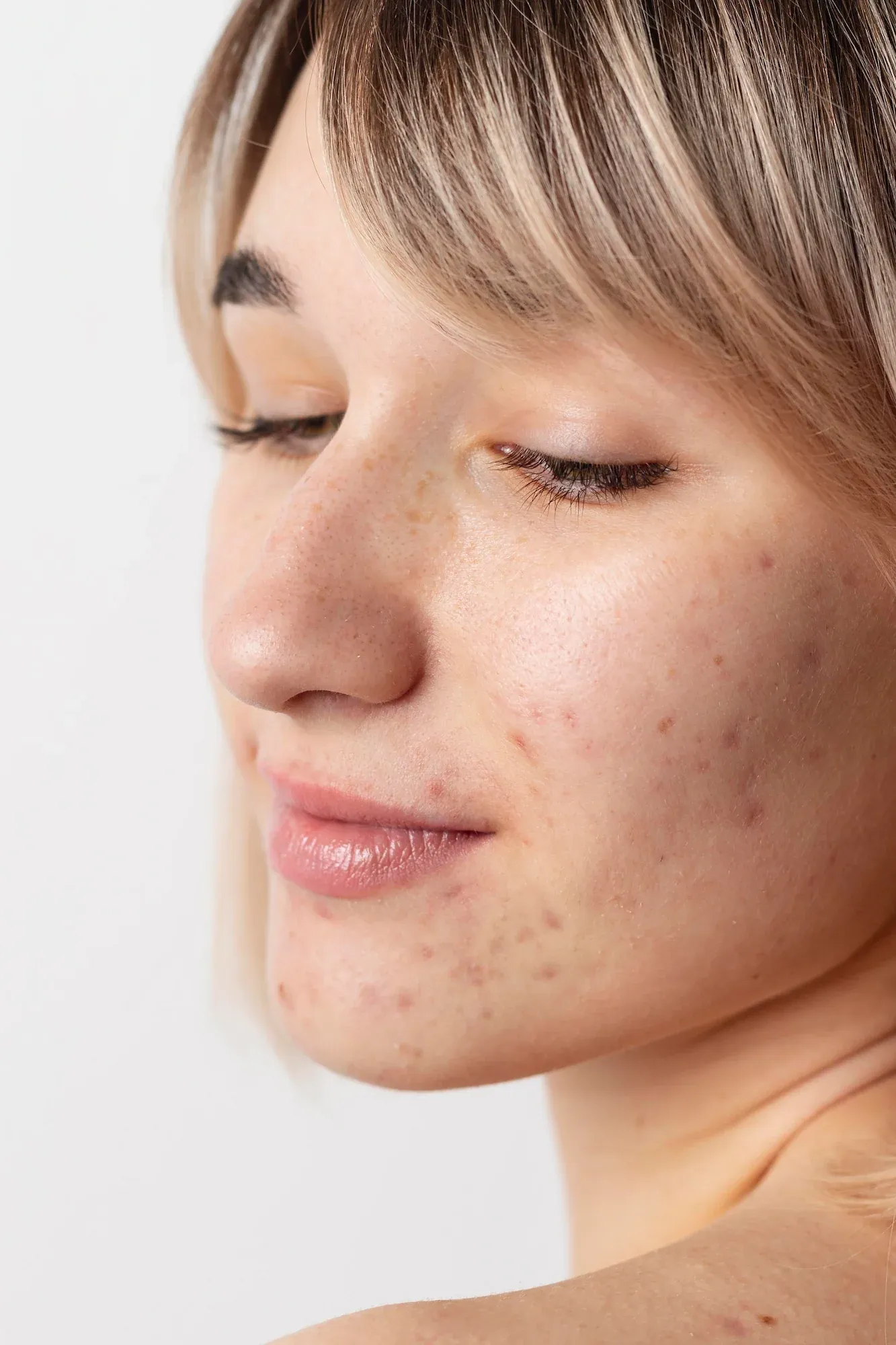
Healthy skin maintains a delicate balance between sebum production, cellular turnover, and microbial populations. In optimal conditions, skin cells shed every 28-40 days and sebaceous glands produce just enough oil to maintain the protective lipid barrier. When this equilibrium shifts — due to hormones, genetics, or environmental triggers — the result is clogged pores, bacterial overgrowth, and inflammation.
This inflammatory process damages the dermis, destroying collagen and elastin fibers that give skin its smooth, even texture. When the body attempts to repair this damage, it often produces too little collagen (creating depressed "ice pick" or "boxcar" scars) or too much (forming raised keloid scars). The deeper and more prolonged the inflammation, the more significant the scarring.
Your skin's melanocyte response to inflammation also plays a role, producing excess pigment that leaves behind dark spots (post-inflammatory hyperpigmentation) even after lesions heal. This discoloration can persist for months or years without professional intervention, compounding the visible effects of acne.