


Woman with radiant even skin tone at Mint Aesthetics & Skin Indianapolis

Uneven Skin Tone & Texture Treatment in Indianapolis, IN

Reveal Your Smoothest, Most Radiant Complexion

Common In:Adults 25+
Primary Causes:Sun Damage, Aging, Hormones
Treatment Time:30-60 minutes
Results:2-6 weeks
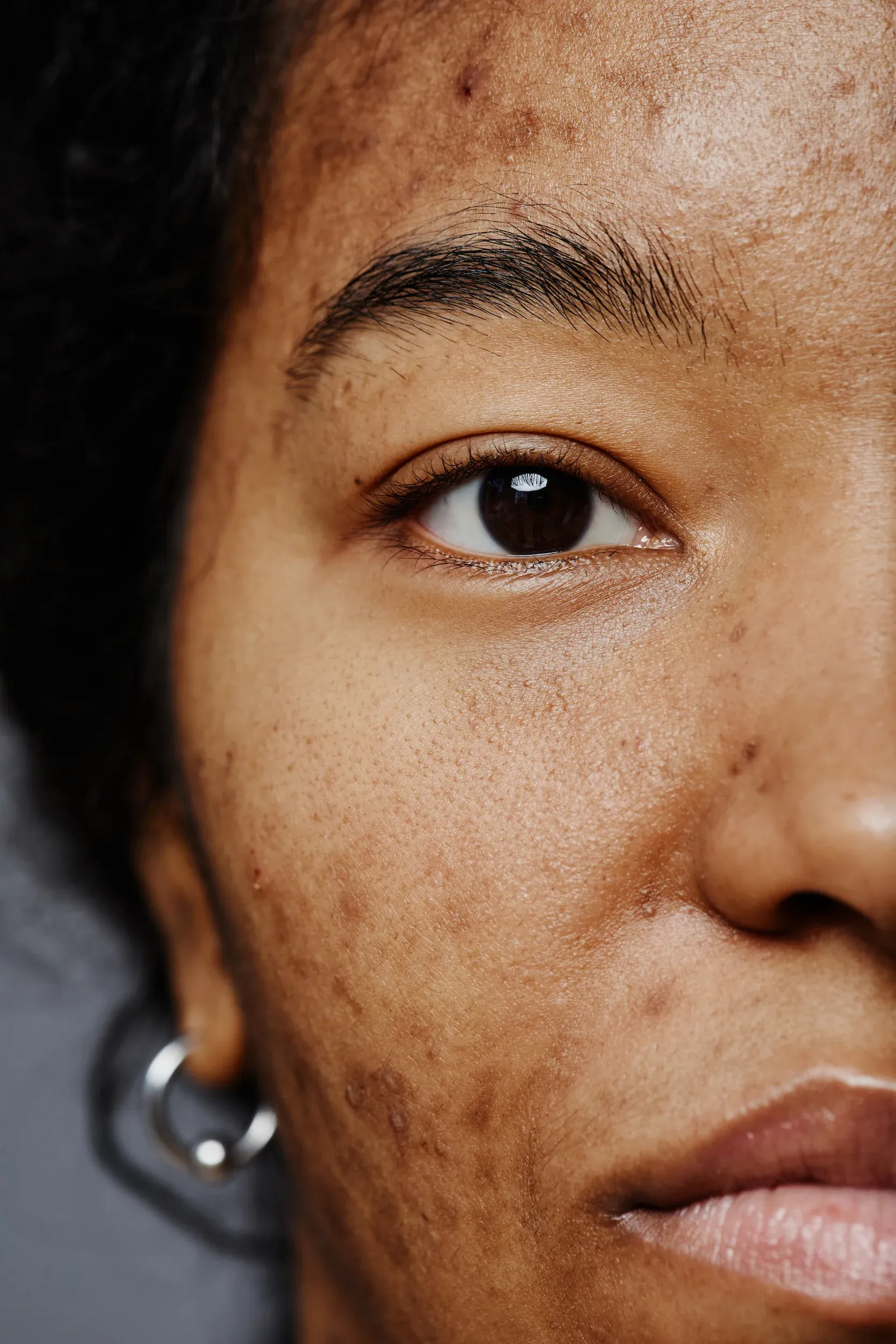
Close-up of uneven skin tone concerns at Mint Aesthetics & Skin Indianapolis

What Is Uneven Skin Tone & Texture?

Recognizing the Signs

Uneven skin tone and texture refers to a combination of pigmentary irregularities and surface inconsistencies across the skin. This includes hyperpigmentation, dark spots, post-inflammatory discoloration, and rough or bumpy texture caused by disrupted melanin production and impaired cellular turnover. The condition affects the skin's ability to reflect light uniformly, resulting in a blotchy, dull appearance.

When you notice that certain areas of your face appear darker than others, or that your complexion looks patchy and uneven in natural light, you are seeing the hallmarks of uneven skin tone. Rough patches, visible pores, and areas of discoloration can make your skin look older and more tired than you actually feel.

Many patients describe feeling self-conscious about dark spots that seem impossible to conceal, or frustrated that foundation never looks smooth. The combination of color irregularity and textural roughness often becomes most apparent in photographs and under bright lighting, where every imperfection is amplified.

Illustration of melanin production and skin texture at Mint Aesthetics & Skin Indianapolis

Why Uneven Skin Tone & Texture Happens

Understanding the Root Causes

Healthy, even-toned skin depends on regulated melanin production by melanocytes in the basal layer of the epidermis. Under normal conditions, melanin distributes evenly across the skin's surface as cells turn over every 28 days. However, cumulative UV exposure, hormonal shifts, and inflammation can trigger melanocytes to overproduce melanin in localized clusters, creating visible dark spots and patches.

This excess melanin deposition disrupts the skin's uniform appearance, producing the characteristic blotchy look of hyperpigmentation. When cellular turnover slows with age, from approximately 28 days to 45-60 days, pigmented cells linger on the surface longer, making discoloration appear more prominent and stubborn.

Simultaneously, the skin's texture is governed by the integrity of the stratum corneum and underlying collagen matrix. When these structural components become compromised by UV damage, acne scarring, or dehydration, the surface loses its smoothness. Dead cell buildup and uneven collagen remodeling create the rough, bumpy texture that often accompanies tone irregularities.


Diagram showing melanin pathways and skin cell turnover at Mint Aesthetics & Skin

Melanin Regulation & Skin Renewal

How Pigmentation Pathways Affect Your Complexion

The melanogenesis pathway is the biological process through which melanocytes produce melanin in response to stimuli such as UV radiation, inflammation, and hormonal signals. Tyrosinase, the key enzyme in this pathway, converts the amino acid tyrosine into melanin pigment. When tyrosinase activity becomes dysregulated, melanin production increases unevenly, leading to the dark spots and patches characteristic of hyperpigmentation.

Post-inflammatory hyperpigmentation (PIH) occurs when skin trauma from acne, cuts, or aggressive treatments triggers an inflammatory cascade that stimulates excess melanin production. This pigment becomes trapped in the dermis, making it particularly resistant to topical treatments alone and often requiring professional interventions to effectively break up and redistribute the pigment deposits.

The skin's natural desquamation process, the shedding of dead surface cells, becomes less efficient with age and environmental damage. When old cells accumulate rather than shedding smoothly, they create the rough, uneven texture that amplifies the appearance of pigment irregularities and prevents skincare products from penetrating effectively.

Lifestyle factors affecting uneven skin tone at Mint Aesthetics & Skin Indianapolis

What Accelerates Uneven Skin Tone & Texture?

Identifying Your Triggers

01

Sun Exposure

Cumulative UV radiation is the primary driver of hyperpigmentation, triggering melanocytes to overproduce melanin and accelerating photoaging that roughens skin texture.

02

Hormonal Changes

Fluctuations in estrogen and progesterone during pregnancy, birth control use, or perimenopause can trigger melasma and hormonal pigmentation across the cheeks and forehead.

03

Post-Acne Scarring

Inflammatory acne leaves behind dark marks and textural irregularities as the skin heals unevenly, creating lasting discoloration and indentations in the skin surface.

04

Age-Related Slowing

Natural aging reduces cellular turnover rates and collagen production, causing pigmented cells to linger on the surface and skin texture to become progressively rougher.

05

Environmental Stressors

Air pollution, blue light from screens, and harsh weather conditions generate free radicals that damage skin cells and accelerate pigmentary changes and barrier breakdown.

Mint Aesthetics & Skin clinic interior in Indianapolis Indiana

Why Choose Mint Aesthetics & Skin

Expert Care in Indianapolis

  • Comprehensive Assessment
  • Personalized Treatment Plans
  • Advanced Technologies
  • Holistic Approach

Treatment Options Comparison

Finding Your Best Approach

Treatment Best For Session Time Results Timeline Maintenance
Glo2Facial Instant brightening & glow 30-45 min Immediate Monthly
Chemical Peel Deep pigment reduction 30-45 min 1-2 weeks 4-6 weeks
Exion Treatments Collagen & texture renewal 30-60 min 4-6 weeks 3-4 months
Mint Condition Facial Gentle tone evening 45-60 min 1-2 weeks Monthly
Woman concerned about uneven skin tone at Mint Aesthetics & Skin

You May Be Experiencing Uneven Skin Tone & Texture If...

Recognizing When to Seek Help

  • Stubborn Dark Spots
  • Blotchy Appearance
  • Rough Skin Texture
  • Foundation Frustration
  • Post-Breakout Marks

Frequently Asked Questions

About Uneven Skin Tone & Texture

01 What causes uneven skin tone?

Uneven skin tone results from excess melanin production triggered by sun exposure, hormonal changes, inflammation, and aging. These factors cause melanocytes to distribute pigment unevenly, creating dark spots, patches, and overall blotchiness across the complexion.

02 How do I treat hyperpigmentation?

Professional treatments such as Chemical Peels and Glo2Facial can effectively reduce hyperpigmentation by accelerating cellular turnover and breaking up pigment deposits. A professional skin assessment helps determine which approach best targets your specific type of discoloration.

03 How many sessions does it take to achieve even skin tone?

Most patients notice visible improvement after 2-3 professional treatments, though optimal results typically require a series of 4-6 sessions spaced several weeks apart. The timeline depends on the depth and type of pigmentation, your skin type, and the treatment approach selected.

04 What is the best treatment for brown spots?

The best treatment depends on the type and depth of your brown spots. Chemical Peels work well for surface-level sun spots, while Exion Clear RF targets deeper pigmentation and textural irregularities. A consultation with Keely helps determine the most effective approach for your specific concerns.

05 Can chemical peels treat dark spots?

Yes, chemical peels are highly effective for treating dark spots by removing the outer layers of pigmented skin and stimulating fresh cell production. The type and strength of peel is customized based on your skin type, pigmentation depth, and treatment goals.

06 Is it normal for skin tone to become more uneven with age?

Yes, natural aging slows cellular turnover and cumulative sun exposure compounds over time, making pigmentation irregularities more prominent. Understanding these changes helps in choosing appropriate treatments and preventive strategies to maintain a more even complexion.

07 What can I do at home between treatments?

Daily broad-spectrum SPF 30+ sunscreen is the single most important step, as UV exposure triggers new pigment production. Consistent use of brightening serums with ingredients like vitamin C and niacinamide can help maintain results between professional sessions.

Location2015 Broad Ripple Avenue
Indianapolis, IN, 46220

Schedule Your Consultation

Scientific References