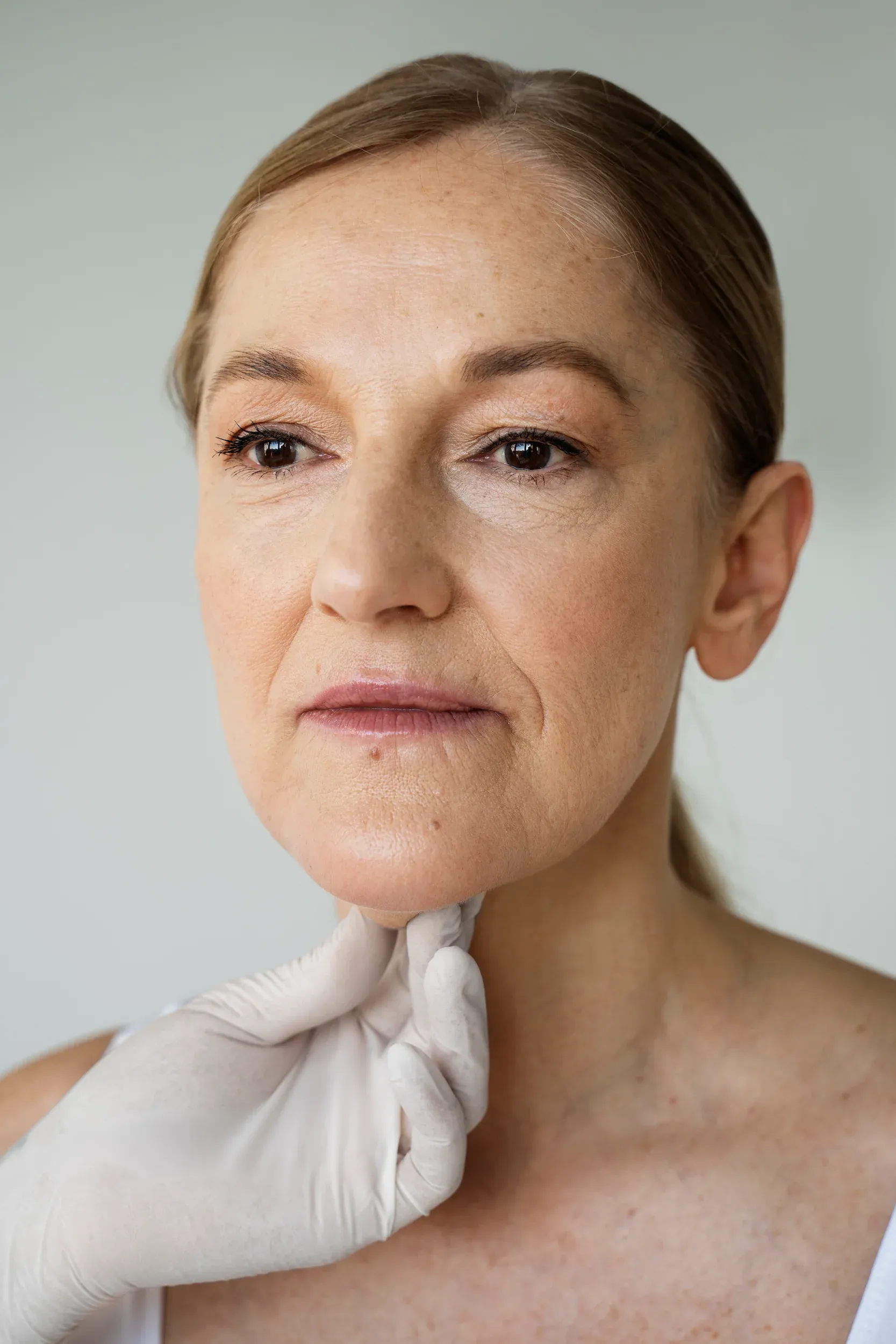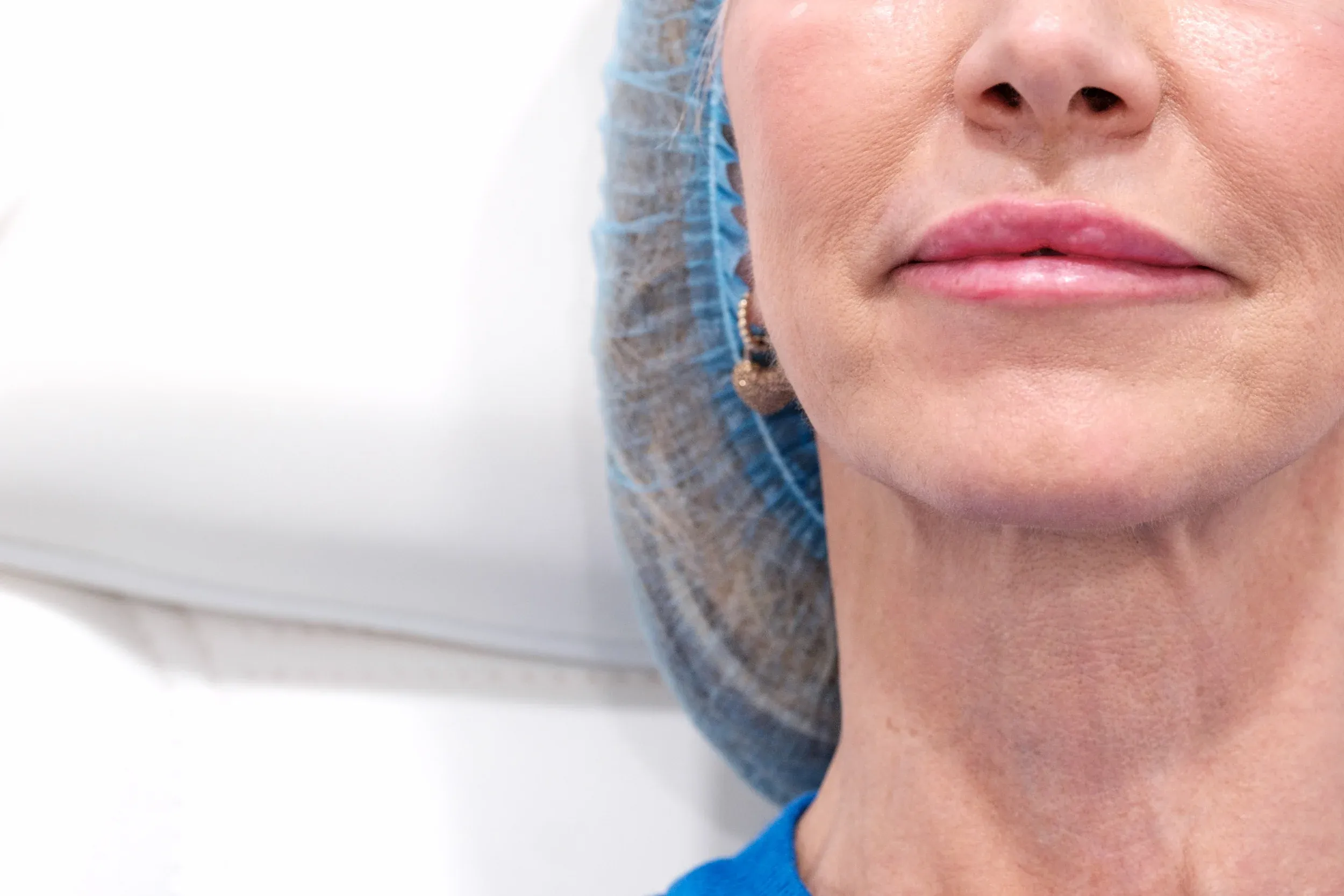

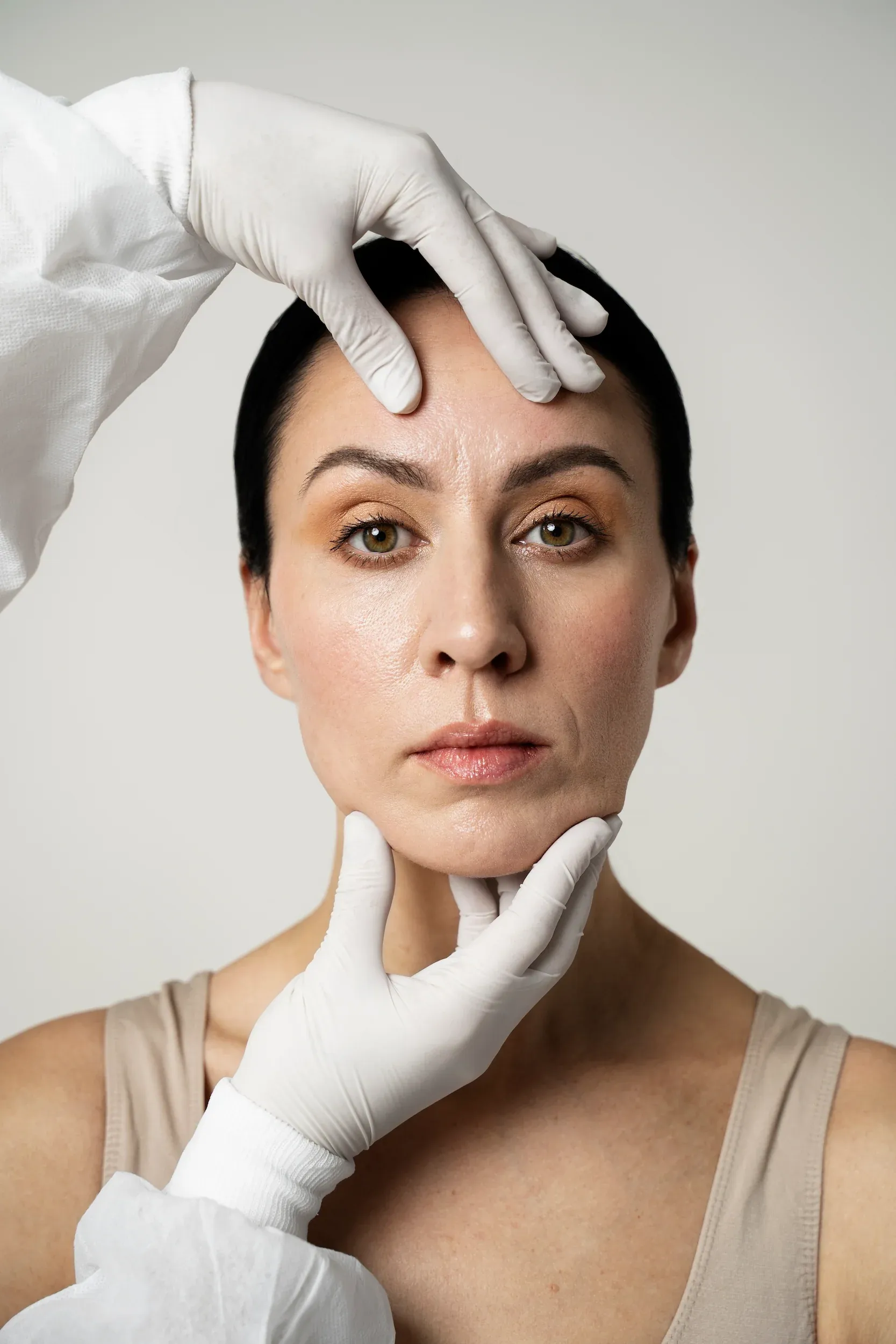

The foundation of youthful facial structure lies in three interdependent layers: bone, deep fat pads, and superficial fat compartments, all supported by a collagen and elastin matrix. In optimal conditions, fibroblasts produce collagen at a rate that maintains structural integrity. However, after age 25, collagen production decreases by approximately 1% per year, and this process significantly accelerates after menopause or andropause.
Simultaneously, the facial skeleton undergoes resorption, particularly in the maxilla, mandible, and orbital rim. This bone loss removes the scaffolding that supports overlying soft tissue, causing fat pads to descend and separate. The result is the hollow temples, flattened cheeks, and deepened nasolabial folds characteristic of facial volume loss.
Your face's structural support depends on a complex network of retaining ligaments, fat compartments, and connective tissue. When this support system becomes compromised through aging, lifestyle factors, or rapid weight change, volume depletion increases dramatically, leading to the hollow, shadowed appearance many patients experience.