Patient consulting for hyperhidrosis treatment at Mint Aesthetics & Skin Indianapolis

Hyperhidrosis (Excessive Sweating) Treatment in Indianapolis, IN

Regain Confidence With Effective Solutions for Excessive Sweating

Common In:Adults 18-65, affects ~3% of population
Primary Causes:Overactive sweat glands, genetics, nervous system
Treatment Time:15-30 minutes per session
Results:Dryness within 2-4 days, lasts 4-12 months
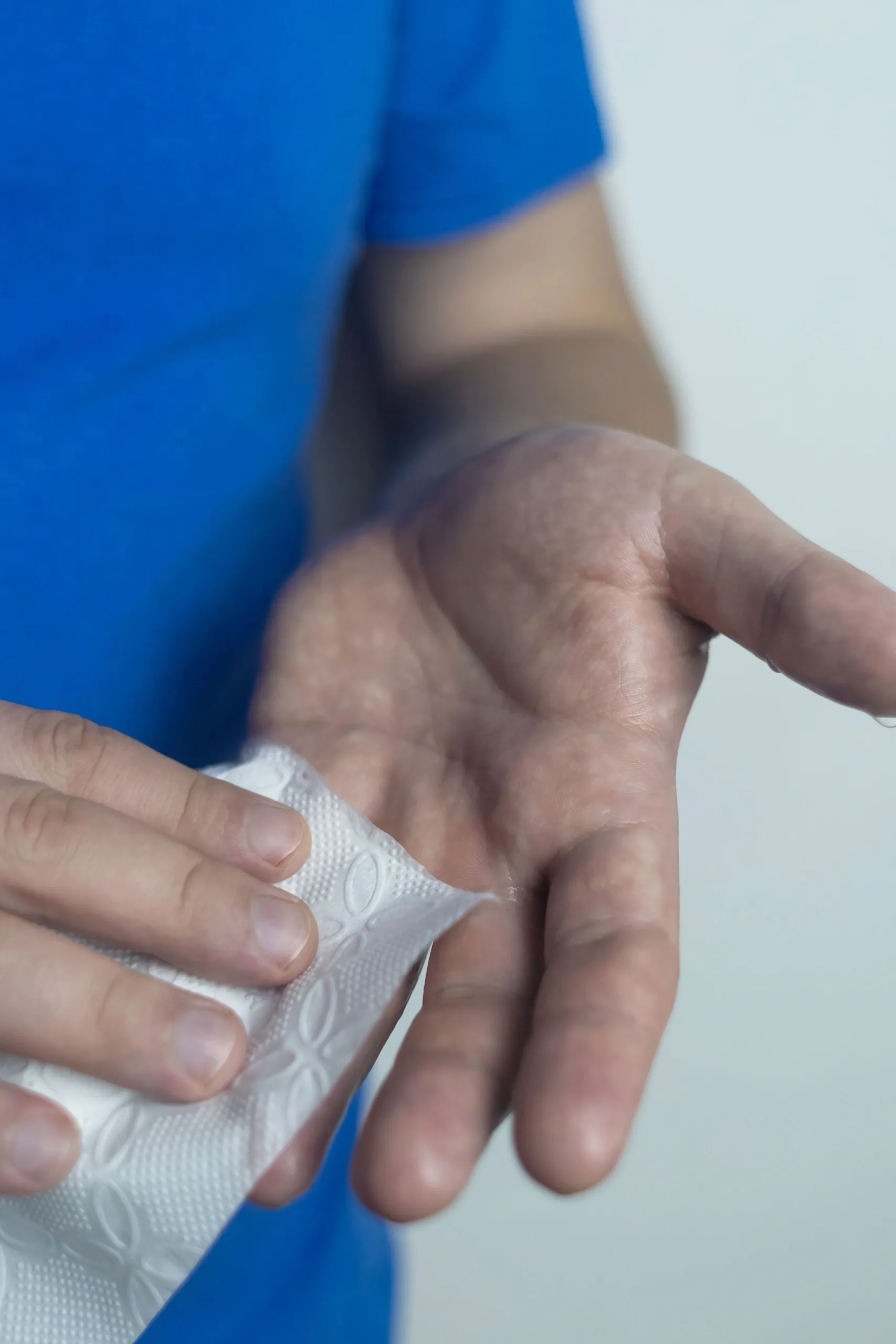
Close-up visual of hyperhidrosis concerns at Mint Aesthetics & Skin

What Is Hyperhidrosis?

Recognizing the Signs of Excessive Sweating

Hyperhidrosis is a medical condition characterized by excessive sweating that goes beyond what the body needs for temperature regulation. While sweating is a normal physiological response, hyperhidrosis causes the eccrine sweat glands to produce perspiration at levels far exceeding thermoregulatory demands. This condition affects approximately 4.8% of the U.S. population, impacting daily comfort, social confidence, and quality of life.

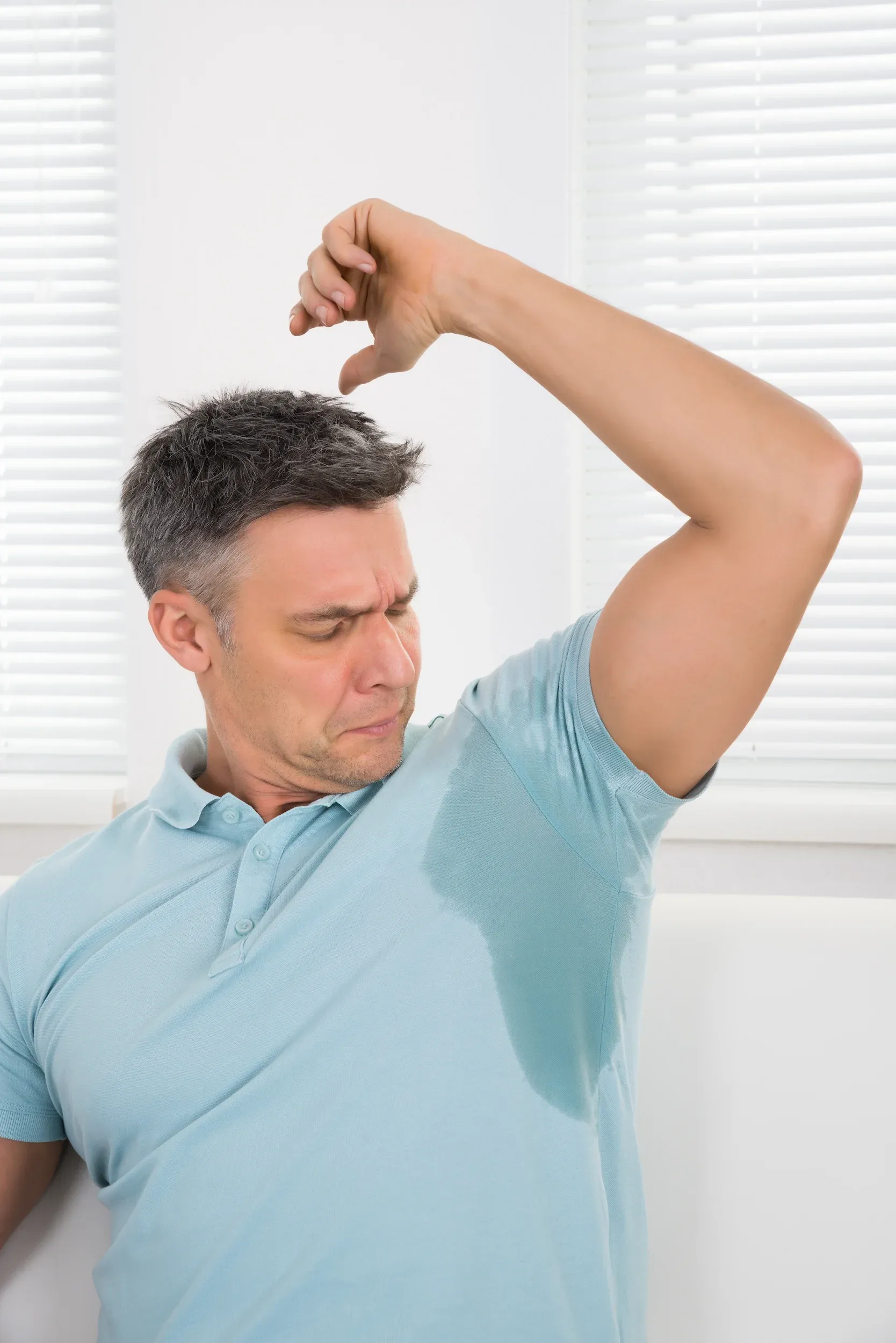
When you notice sweat soaking through clothing within minutes of dressing, visible perspiration on your palms during routine handshakes, or damp underarms regardless of temperature, you're experiencing the hallmark signs of hyperhidrosis. This condition manifests as uncontrollable, unpredictable sweating episodes that occur independently of heat, exercise, or emotional triggers.

Many patients describe feeling "trapped" by their sweating, constantly planning around potential episodes or avoiding social situations entirely. The underarms, palms, soles of the feet, and forehead are most commonly affected, with sweating that can disrupt work, relationships, and self-confidence on a daily basis.

Illustration of sweat gland overactivity at Mint Aesthetics & Skin Indianapolis

Why Hyperhidrosis Happens

Understanding the Root Causes of Excessive Sweating

The human body contains between 2 and 4 million sweat glands, with the highest concentrations in the underarms, palms, and soles. In normal function, the sympathetic nervous system signals these eccrine glands to produce sweat in response to rising body temperature, physical exertion, or emotional stress. In hyperhidrosis, this signaling pathway becomes hyperactive, triggering sweat production without appropriate stimuli.

Primary focal hyperhidrosis, the most common form, is believed to result from overactivity in the sympathetic nervous system's cholinergic pathways. The neurotransmitter acetylcholine overstimulates sweat glands, causing them to produce perspiration at rates 4 to 5 times higher than normal. This dysfunction typically begins in adolescence and has a strong genetic component, with up to 65% of patients reporting a family history.

Secondary generalized hyperhidrosis can develop at any age and is associated with underlying medical conditions including thyroid disorders, diabetes, menopause, infections, or certain medications. Unlike primary hyperhidrosis, secondary forms tend to cause widespread sweating rather than affecting specific focal areas.
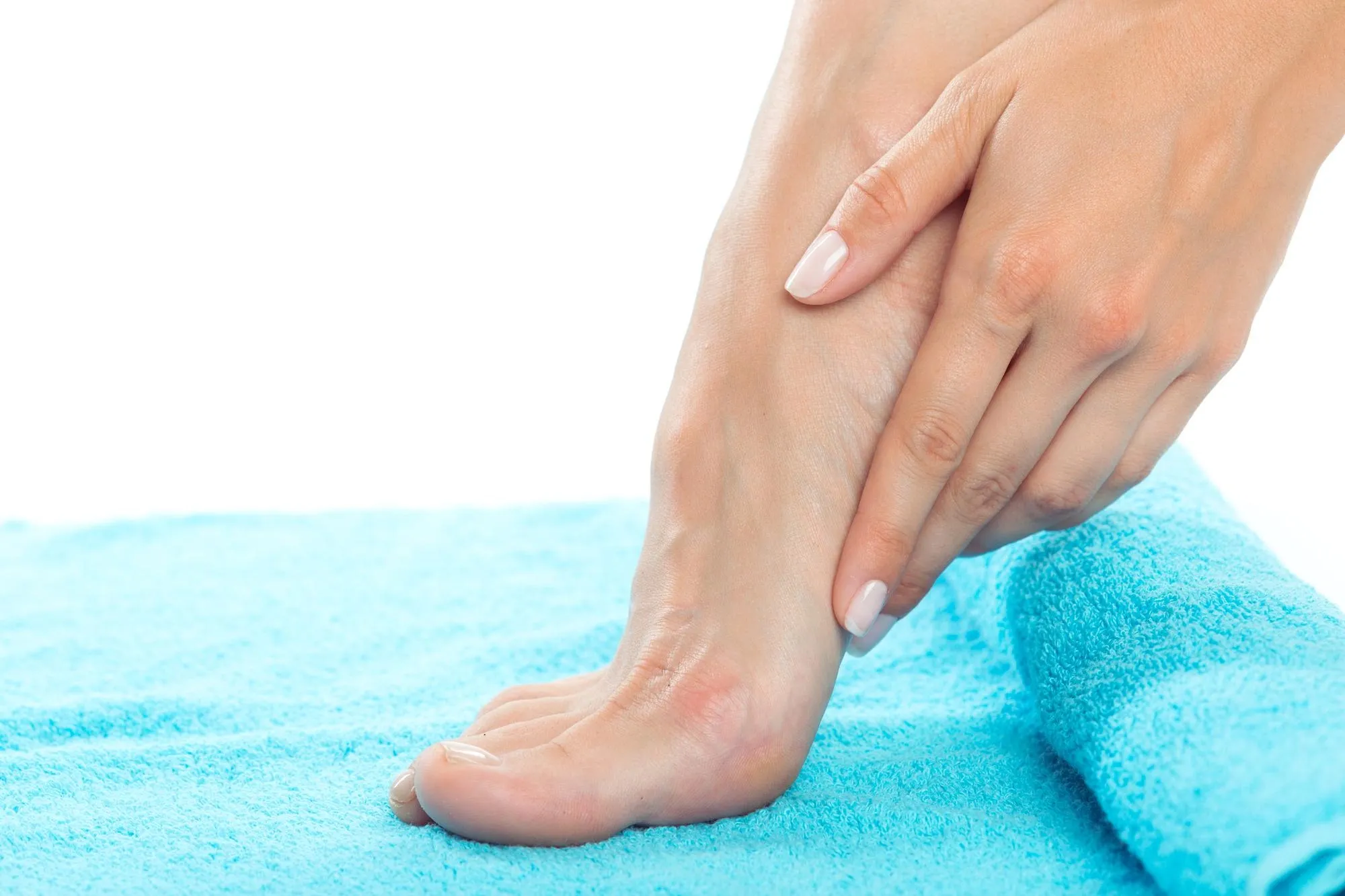
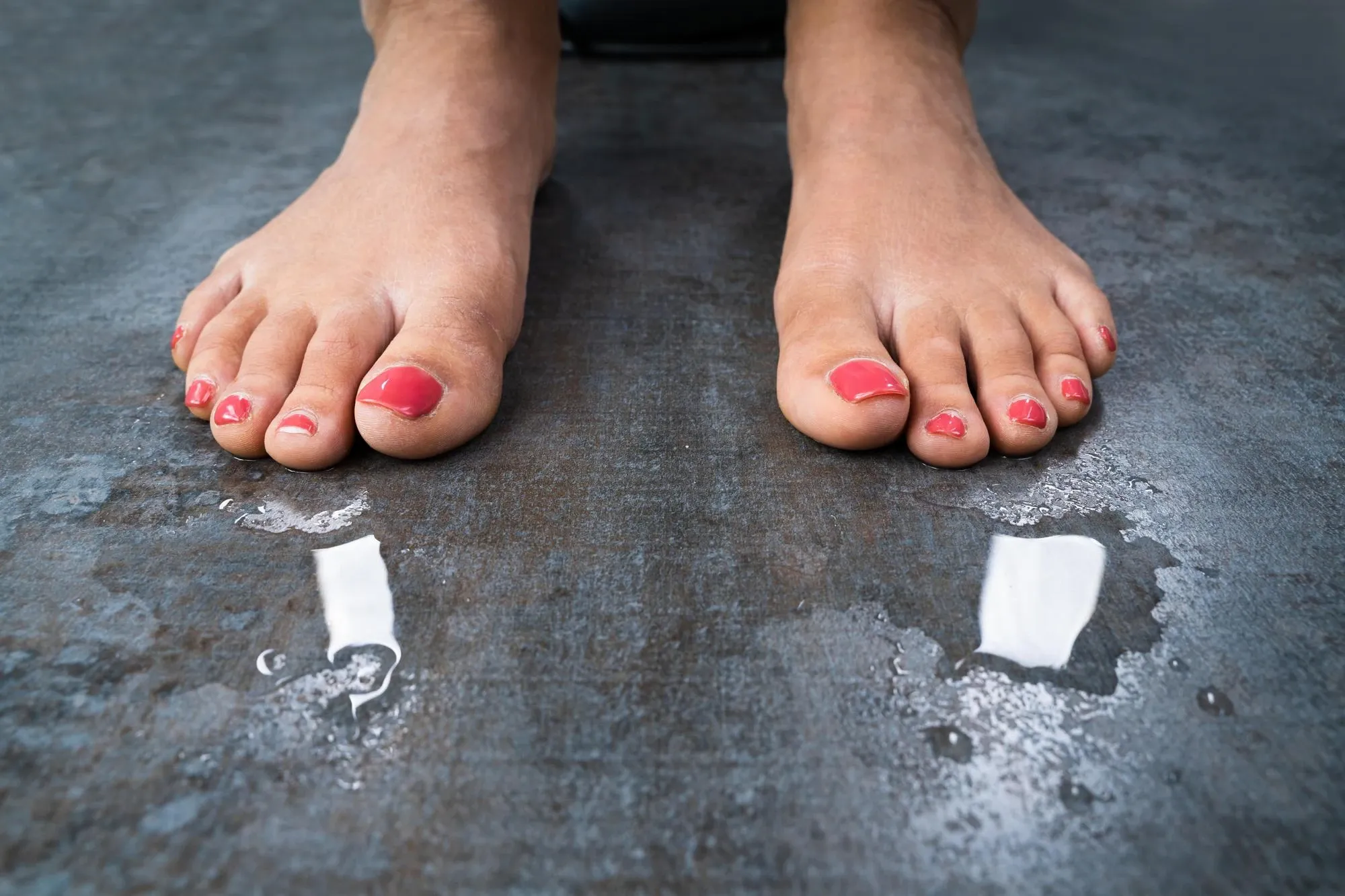
Diagram showing nerve signal pathways to sweat glands at Mint Aesthetics & Skin

The Neuroscience Behind Excessive Sweating

How Nerve Signals Trigger Overactive Sweat Glands

The eccrine sweat glands are innervated by postganglionic sympathetic nerve fibers that release acetylcholine at the neuromuscular junction. In hyperhidrosis, these nerve fibers fire excessively, flooding the gland receptors with acetylcholine and driving continuous sweat production. This is why neurotoxin treatments like Xeomin and Dysport are so effective -- they block acetylcholine release at the nerve-gland junction.

Research has shown that patients with primary hyperhidrosis do not have more sweat glands than average, nor are their glands structurally different. The dysfunction lies entirely in the neural signaling, specifically in the intensity and frequency of sympathetic nerve impulses reaching the glands. This understanding has led to targeted treatments that address the neurological cause rather than simply managing symptoms.

Emotional sweating, mediated through the limbic system and hypothalamus, can compound the problem. Anxiety about sweating creates a feedback loop where stress triggers more perspiration, which increases anxiety, perpetuating the cycle. Breaking this loop through effective treatment often produces psychological benefits that extend well beyond physical dryness.

Lifestyle factors contributing to hyperhidrosis at Mint Aesthetics & Skin Indianapolis

What Triggers Hyperhidrosis Episodes?

Identifying Your Triggers

01

Genetic Predisposition

Up to 65% of hyperhidrosis patients have a family history of the condition, suggesting a strong hereditary component in sympathetic nervous system regulation.

02

Stress & Anxiety

Emotional triggers activate the sympathetic nervous system, intensifying sweat production. The anticipatory anxiety of sweating often creates a self-reinforcing cycle.

03

Hormonal Fluctuations

Changes in estrogen, progesterone, and thyroid hormone levels can amplify sweat gland activity, particularly during puberty, pregnancy, and perimenopause.

04

Heat & Humidity

While not a cause of hyperhidrosis itself, warm environments and high humidity significantly worsen symptoms by reducing the body's ability to cool through evaporation.

05

Dietary Triggers

Spicy foods, caffeine, and alcohol stimulate the sympathetic nervous system and can provoke or intensify sweating episodes in susceptible individuals.

Mint Aesthetics & Skin clinic interior in Indianapolis, Indiana

Why Choose Mint Aesthetics & Skin

Expert Hyperhidrosis Care in Indianapolis

  • Comprehensive Assessment
  • Precision Injection Technique
  • Multiple Neurotoxin Options
  • Lasting Results

Treatment Options for Hyperhidrosis

Compare Your Neurotoxin Options

Treatment Best For Session Time Results Timeline Maintenance
Xeomin Pure neurotoxin, no additives 15-30 minutes 2-4 days onset Every 4-6 months
Dysport Faster onset, wider spread 15-30 minutes 1-3 days onset Every 4-6 months
Person concerned about excessive sweating at Mint Aesthetics & Skin

You May Be Experiencing Hyperhidrosis If...

Recognizing When to Seek Professional Help

  • Clothing Stains
  • Grip Difficulties
  • Skin Irritation
  • Social Avoidance
  • Antiperspirant Failure

Frequently Asked Questions

About Hyperhidrosis Treatment

01 What is hyperhidrosis?

Hyperhidrosis is a medical condition in which the body produces sweat in excess of what is needed for thermoregulation. It can affect the underarms, palms, soles, and face, and often begins in adolescence. Primary hyperhidrosis is caused by overactive sympathetic nerves, while secondary hyperhidrosis may be linked to underlying health conditions or medications.

02 How is excessive sweating treated?

At Mint Aesthetics & Skin, we treat hyperhidrosis with neurotoxin injections such as Xeomin and Dysport. These are injected superficially into the affected area to block acetylcholine, the chemical messenger that triggers sweat gland activity. The procedure takes 15-30 minutes and requires no downtime.

03 Do neurotoxin injections stop sweating?

Neurotoxin injections significantly reduce sweating in treated areas, with clinical studies showing an 82-87% reduction in underarm sweat production. While they don't permanently eliminate sweating, most patients experience near-complete dryness in treated zones for 4-12 months per session.

04 How long does hyperhidrosis treatment last?

Results from neurotoxin injections for hyperhidrosis typically last 4-12 months, with many patients averaging 6-7 months of significant sweat reduction. Some patients find that with repeated treatments over time, the intervals between sessions gradually lengthen as the sweat glands become less active.

05 Is hyperhidrosis treatment painful?

Most patients describe the injections as mild pinpricks. Keely uses fine-gauge needles and can apply topical numbing cream or ice beforehand to minimize discomfort. The underarm area is generally well-tolerated, and the entire procedure takes only 15-30 minutes.

06 Does insurance cover hyperhidrosis treatment?

Some insurance plans do cover neurotoxin injections for hyperhidrosis when medically documented. Coverage typically requires a diagnosis of primary hyperhidrosis and evidence that prescription antiperspirants have failed. Our team can provide the documentation you need to submit to your insurance provider for potential reimbursement.

Location2015 Broad Ripple Avenue
Indianapolis, IN, 46220

Schedule Your Consultation

Scientific References