


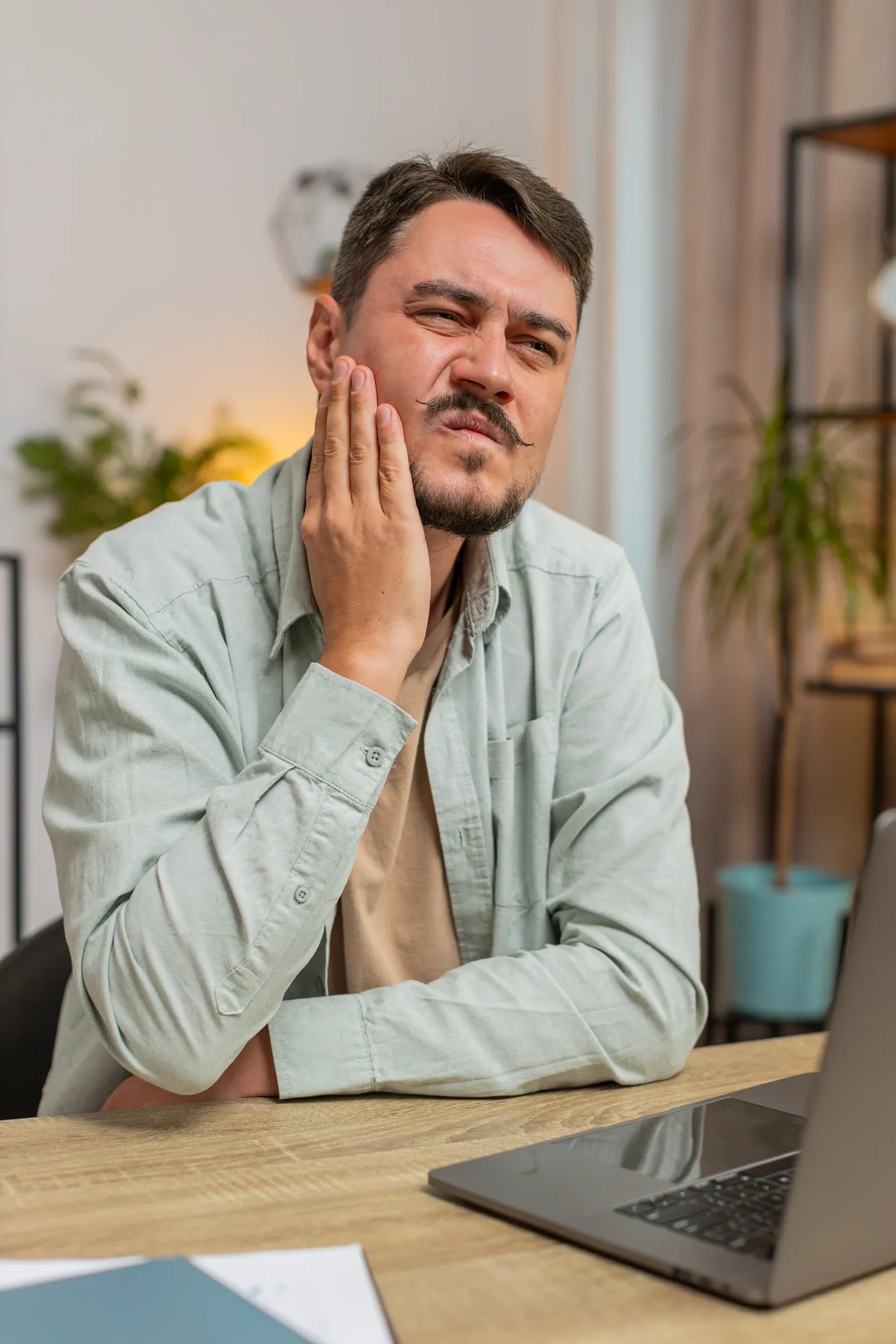
Patient receiving TMJ jaw pain treatment at Mint Aesthetics & Skin Indianapolis

TMJ & Jaw Pain Treatment in Indianapolis, IN – Non-Invasive Options

Find lasting relief from jaw pain, clenching, and TMJ discomfort without surgery

Common In:Adults 20-55, especially women
Primary Causes:Jaw clenching, teeth grinding, stress
Treatment Time:20-60 minutes per session
Results:Relief within 1-4 weeks
Close-up of jaw and TMJ anatomy at Mint Aesthetics & Skin

What Is TMJ Disorder?

Recognizing the Signs of TMJ Dysfunction

TMJ disorder (temporomandibular joint dysfunction) affects the joints connecting your jawbone to your skull, causing pain, stiffness, and limited movement. At Mint Aesthetics & Skin in Indianapolis, IN, Keely Phelps PA offers advanced non-invasive TMJ treatment options for patients throughout Indianapolis, Broad Ripple, Carmel, Fishers, Noblesville, Zionsville, and Greenwood.

The temporomandibular joint acts as a sliding hinge on each side of your jaw. When the muscles surrounding this joint become overworked, inflamed, or chronically tense, everyday activities like chewing, speaking, and yawning can become painful. TMJ disorder affects an estimated 10 million Americans and is more common in women than men.

Many patients describe their jaw pain as a persistent ache that radiates to the ear, temples, or neck. The discomfort often worsens with stress, leaving you searching for effective jaw pain relief that addresses the root cause rather than just masking symptoms.

Illustration of TMJ joint mechanics at Mint Aesthetics & Skin Indianapolis

Why TMJ & Jaw Pain Happens

Understanding the Root Causes of TMJ Dysfunction

The temporomandibular joint relies on a delicate balance of muscles, ligaments, and cartilage to function smoothly. The masseter muscle, one of the strongest muscles in the body, generates the force needed for chewing. When this muscle becomes hypertrophied or chronically contracted, it places excessive strain on the joint, leading to pain, clicking, and restricted movement.

Bruxism (teeth grinding and jaw clenching) is one of the most common drivers of TMJ disorder. Many patients clench unconsciously during sleep or periods of stress, generating forces up to 250 pounds per square inch on the teeth and jaw. Over time, this repetitive strain fatigues the muscles and irritates the joint capsule.

The jaw's complex biomechanics mean that misalignment in one area creates compensatory strain throughout the entire system. When the masseter and temporalis muscles remain in a state of chronic tension, the joint cannot glide properly, resulting in the clicking, popping, and locking that characterize TMJ dysfunction.

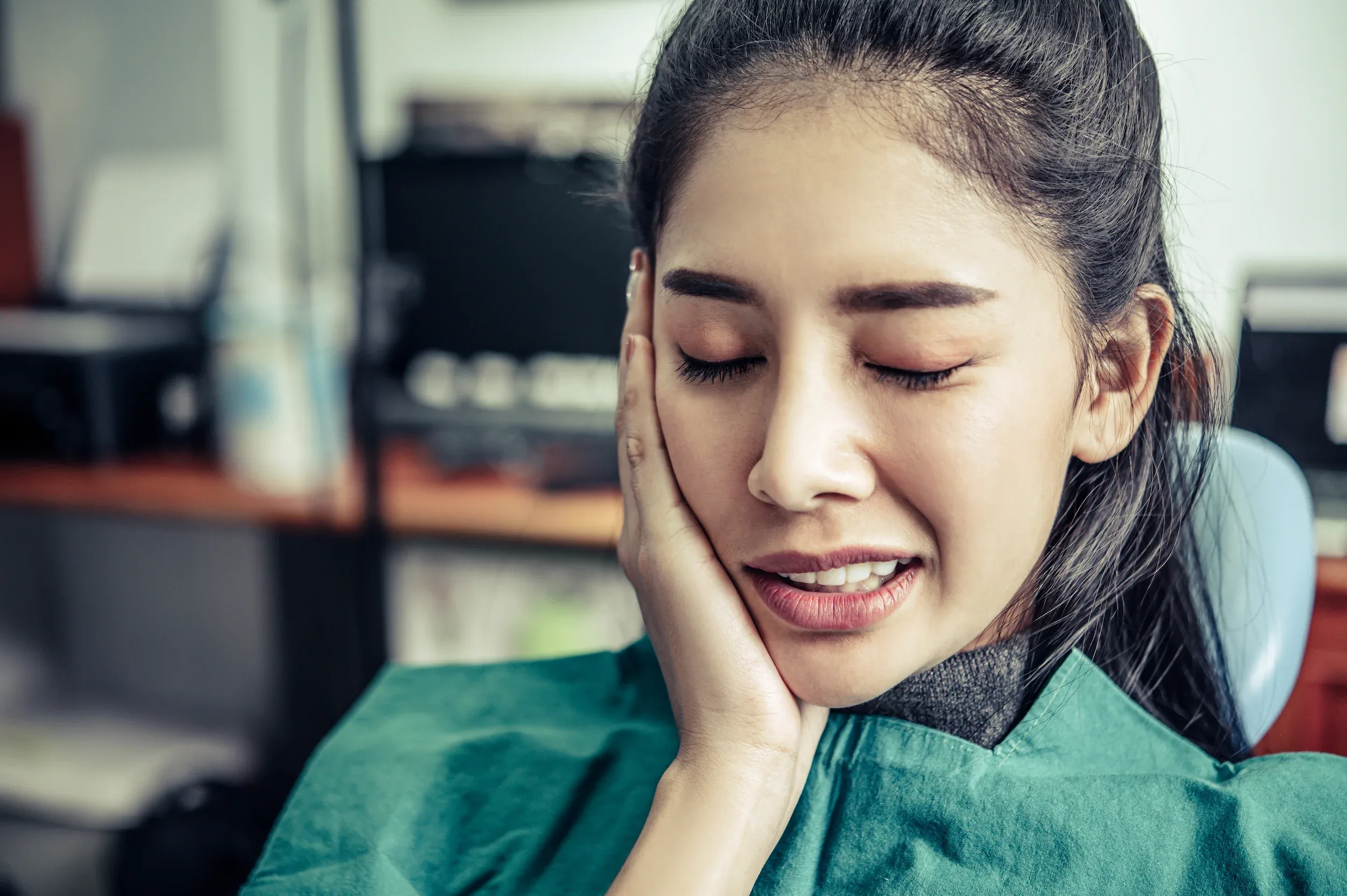
Diagram showing masseter muscle anatomy at Mint Aesthetics & Skin

The Masseter Muscle and TMJ Connection

How Muscle Tension Drives Jaw Pain

The masseter muscle runs from your cheekbone to your lower jaw and is the primary muscle responsible for closing the mouth and clenching. In patients with TMJ disorder, this muscle often becomes hypertrophied (enlarged) from chronic overuse, creating a cycle of tension, pain, and further clenching that can be difficult to break without intervention.

Masseter hypertrophy doesn't just cause pain. It can also change the shape of your face, creating a wider, more squared jawline that many patients find aesthetically undesirable. This dual concern, both functional discomfort and cosmetic change, makes TMJ treatment particularly rewarding because addressing the muscle tension simultaneously relieves pain and refines facial contours.

The temporalis muscle, located at the temples, works in coordination with the masseter during clenching. When both muscles are chronically engaged, patients often experience headaches radiating from the temples alongside their jaw pain, a combination that significantly impacts quality of life.

Lifestyle factors contributing to TMJ jaw pain at Mint Aesthetics & Skin Indianapolis

What Accelerates TMJ & Jaw Pain?

Identifying Your Triggers

01

Stress & Anxiety

Emotional stress triggers unconscious jaw clenching and teeth grinding, particularly during sleep, placing excessive force on the temporomandibular joint.

02

Bruxism (Teeth Grinding)

Habitual grinding wears down tooth enamel and fatigues the masseter and temporalis muscles, leading to chronic pain and joint inflammation.

03

Poor Posture

Forward head posture and slouching shift the alignment of the cervical spine and jaw, increasing strain on the TMJ and surrounding musculature.

04

Jaw Injury or Trauma

Previous injuries to the jaw, face, or neck can alter joint mechanics and create long-term vulnerability to TMJ dysfunction.

05

Hormonal Fluctuations

Estrogen receptors in the TMJ make women more susceptible to joint inflammation, particularly during hormonal changes associated with menstrual cycles and perimenopause.

Mint Aesthetics & Skin clinic interior in Indianapolis Indiana

Why Choose Mint Aesthetics & Skin

Expert TMJ Care in Indianapolis

  • Dual-Trained Provider
  • Multiple Treatment Modalities
  • Non-Invasive Approach
  • Comprehensive Assessment

TMJ Treatment Options Comparison

Finding Your Best Approach

Treatment Best For Session Time Results Timeline Maintenance
Emface Muscle toning & jaw reshaping 20-30 minutes Gradual over 4-6 weeks Every 6-12 months
Xeomin Targeted masseter relaxation 15-20 minutes 1-2 weeks Every 3-4 months
Dysport Rapid-onset muscle relaxation 15-20 minutes 2-5 days Every 3-4 months
Patient concerned about TMJ jaw pain at Mint Aesthetics & Skin

You May Be Experiencing TMJ Disorder If...

Recognizing When to Seek Professional Help

  • Jaw Pain or Tenderness
  • Clicking or Popping Sounds
  • Morning Headaches
  • Limited Jaw Movement
  • Facial Muscle Fatigue

Frequently Asked Questions

About TMJ & Jaw Pain

01 What is TMJ disorder?

TMJ disorder (temporomandibular joint dysfunction) is a condition affecting the jaw joints and surrounding muscles that causes pain, clicking, stiffness, and limited jaw movement. It can result from teeth grinding, stress, jaw injury, or muscle tension in the masseter and temporalis muscles.

02 How is TMJ treated without surgery?

At Mint Aesthetics & Skin, we treat TMJ non-invasively using neurotoxin injections (Xeomin or Dysport) to relax the overactive masseter muscle, and Emface technology to tone and rebalance facial muscles. These approaches address the muscular component of TMJ without incisions, general anesthesia, or significant downtime.

03 Can neurotoxins treat TMJ?

Yes. Neurotoxins like Xeomin and Dysport are highly effective for TMJ when injected into the masseter muscle. They temporarily reduce the muscle's ability to generate excessive clenching force, relieving pain and tension. Results typically last 3-4 months, and many patients find their symptoms improve progressively with repeated treatments.

04 How does Emface help TMJ?

Emface uses synchronized radiofrequency and HIFES (High-Intensity Facial Electrical Stimulation) technology to tone and strengthen facial muscles while reducing tension in overworked areas. For TMJ patients, Emface helps rebalance the jaw muscles, promoting healthier muscle function and reducing the chronic tension that drives TMJ symptoms.

05 How many sessions are needed for TMJ relief?

Most patients notice significant improvement after one neurotoxin session, with optimal results building over 2-4 weeks. Emface typically requires a series of 4 sessions for best results. Keely will evaluate your specific condition during your consultation and recommend a personalized treatment schedule based on the severity of your symptoms.

06 What is the difference between Emface and neurotoxin for TMJ?

Neurotoxins (Xeomin, Dysport) work by temporarily relaxing the overactive masseter muscle, reducing clenching force and pain. Emface works differently by using electrical stimulation to tone and rebalance facial muscles, promoting healthier muscle function overall. Some patients benefit from combining both approaches for comprehensive TMJ management.

Location2015 Broad Ripple Avenue
Indianapolis, IN, 46220

Schedule Your Consultation

Scientific References